Ohio caregiver pay
Last checked: May 18, 2026
Yes, an adult child may be able to get paid to care for a parent in Ohio. The usual path is not a simple cash grant. It is often through Medicaid home care, a waiver program, self-directed care, a live-in caregiver service, VA benefits, or a private care agreement.
The right path depends on your parent's age, Medicaid status, care needs, veteran status, and whether the care plan approves family care. Rules can change. Counties, managed care plans, waiver contractors, and agencies may use different names, so confirm each step with official Ohio sources.
Quick answer
An adult child can sometimes be paid as a caregiver in Ohio if the parent is approved for the right program and the care is part of an approved care plan. The main routes are PASSPORT, MyCare Ohio waiver services, the Ohio Home Care Waiver, Structured Family Caregiving, VA caregiver benefits, or a private written caregiver agreement.
Do not start paying yourself from your parent's account without a written plan. If your parent may need Medicaid now or later, private payments, gifts, and back payments can create problems.
Start here
- Call the Area Agency on Aging first if your parent is age 60 or older. Ask for a PASSPORT screening and ask whether family caregiver pay, participant direction, or Structured Family Caregiving may fit.
- If your parent already has Medicaid or a MyCare Ohio plan, call the plan or case manager. Ask for a home care assessment and ask about self-direction.
- Gather proof before the call. Get Medicaid cards, Medicare cards, income papers, bank statements, diagnosis lists, medication lists, discharge papers, and notes about help needed with bathing, dressing, meals, transfers, toileting, and safety.
For more help deciding which path to try first, see Can I Get Paid as a Caregiver? Quiz.
Main options for adult children in Ohio
| Program or route | Who it may help | Where to start |
|---|---|---|
| PASSPORT Medicaid waiver | Ohioans age 60 or older who qualify for Medicaid, need a nursing home level of care, and can stay at home with help. | Call the Area Agency on Aging and ask for a PASSPORT assessment. Ask about participant direction and family caregiver rules. |
| PASSPORT participant direction | Some PASSPORT participants who want more say over who provides approved services. | Ask the PASSPORT case manager about Choices Home Care Attendant Service and Consumer Directed Personal Care Service. |
| Structured Family Caregiving | Some waiver members who live with a caregiver and need daily personal care and household support. | Ask the waiver case manager whether Structured Family Caregiving is in the care plan and which agency providers offer it. |
| Ohio Home Care Waiver | People age 59 or younger who qualify for Medicaid and meet nursing facility level of care rules. | Apply through Ohio Medicaid and ask about Ohio Home Care Waiver self-direction if the person is under 60. |
| MyCare Ohio waiver | People who have both Medicare and Medicaid and are served through MyCare Ohio in covered counties. | Call the MyCare plan care manager. Ask about waiver services, self-direction, and family caregiver options. |
| VA caregiver and pension routes | Veterans or surviving spouses who meet VA rules, or caregivers of eligible veterans. | Ask VA about Aid and Attendance, Housebound, and PCAFC. These are separate from Ohio Medicaid. |
| Private caregiver agreement | Families where the parent has funds to pay for care outside Medicaid. | Talk with an Ohio elder law attorney or tax professional before payments start, especially if Medicaid may be needed later. |
Medicaid and self-directed care
Medicaid is the main public payment path for many Ohio families. It does not pay an adult child just because the child is helping. The parent must qualify for Medicaid and for a service that allows paid help at home.
Home and community-based services, often called HCBS, are Medicaid services that help a person stay at home or in the community instead of moving to a nursing home or other care setting. Learn more in Medicaid HCBS Waivers Explained.
What self-direction means
Self-direction means the person receiving care has more choice over how approved services are delivered and who provides them. In Ohio, self-direction can include a financial management service. The financial management service helps with payroll, forms, and worker enrollment.
Ohio Medicaid says self-direction is available under the Ohio Home Care Waiver as of October 1, 2024. Ohio Medicaid also says existing self-directed services were expanded under the MyCare Waiver as of November 15, 2024.
PASSPORT for parents age 60 or older
For many older parents, the first Ohio program to ask about is PASSPORT. PASSPORT is a Medicaid waiver run through the Ohio Department of Aging network. It is for people age 60 or older who are Medicaid eligible, need a nursing home level of care, and can stay safely at home with support.
PASSPORT may include services such as personal care, homemaker help, meals, emergency response, respite, and other supports. The exact services must be approved in the care plan. The care plan is the written list of what Medicaid will cover.
Under participant direction, some PASSPORT members may recruit and hire a provider instead of only using an agency worker. The worker still has to meet Ohio rules. Training, certification, background checks, service records, timekeeping, and electronic visit verification may apply.
Can the adult child be the paid worker?
Often, the answer is: maybe. Ohio rules treat family relationships and legal roles carefully. Adult children and other relatives may be able to provide certain waiver services if the program allows it and the person-centered service plan approves it.
If you are also your parent's power of attorney, guardian, authorized representative, or the person who signs off on care, ask the case manager and financial management service before you assume you can be paid. Ohio rules include limits on who can be the worker, who can verify services, and who can act as a representative.
Do not rely on a verbal answer from one person if it seems unclear. Ask for the rule, the care plan note, or the written denial.
Ohio Home Care Waiver for people under age 60
The Ohio Home Care Waiver is not the usual route for an older parent age 60 or over. Ohio Medicaid describes this waiver as serving people age 59 or under who meet Medicaid rules and a nursing facility level of care. It may matter if the person needing care is an adult child, younger spouse, sibling, or younger disabled parent.
Self-direction is now available under the Ohio Home Care Waiver. If this is the right waiver, ask the case manager about self-directed personal care, home care attendant services, waiver nursing, and whether a relative may be enrolled as a caregiver.
MyCare Ohio
MyCare Ohio is for people who have both Medicare and Medicaid in areas served by the program. MyCare plans can include long-term care services in the home, assisted living, or nursing facility setting. Self-directed services were expanded under the MyCare Waiver in 2024.
If your parent is in MyCare, call the plan and ask for the care manager. Say, “I want to ask about waiver services, self-direction, and whether an adult child can be enrolled as a paid caregiver.”
Live-in caregiver options
Ohio has a service called Structured Family Caregiving. This may matter when the caregiver lives with the person who needs care. Ohio rules describe Structured Family Caregiving as a waiver service for a person age 18 or older who is enrolled in MyCare Ohio, the Ohio Home Care Waiver, or PASSPORT, and who lives with a caregiver who gives daily care and support.
This does not mean every live-in adult child will be paid. The person must be in the right waiver. The service must be chosen and approved. An agency provider must employ or contract with the caregiver. Training and ongoing support are part of the service.
Structured Family Caregiving may not replace skilled nursing care when the person is medically unstable or medically complex. It also has limits when other services are approved on the same day.
Phone script for a live-in adult child
“I live with my parent and provide daily care. My parent needs help with bathing, dressing, meals, medicine reminders, transfers, and safety. Is my parent in a waiver that offers Structured Family Caregiving? If yes, which agency providers offer it, and what steps would I need to complete?”
If your parent pays you privately
Your parent can sometimes pay you from private funds. But it should be done the right way. This is important if your parent may apply for Medicaid in the next five years.
A private caregiver agreement is a written contract between the parent and caregiver. It should say what care you provide, when you provide it, how much you are paid, how often you are paid, and how records are kept.
Do not backdate the agreement. Do not call a gift “care pay” after the money is already transferred. Do not take large cash payments with no notes, invoices, or bank record.
A fair private agreement may include:
- Names of the parent and caregiver.
- Start date.
- Tasks, such as bathing help, meal prep, laundry, rides, and safety checks.
- Hourly or weekly pay amount.
- How hours will be tracked.
- How payment will be made.
- What happens if the parent enters a hospital, rehab center, assisted living, or nursing home.
- Signatures.
Before private pay starts, read Care Cost Calculator and Caregiver Tax Deductions. Then talk with a tax professional or Ohio elder law attorney.
Tax and Medicaid cautions
Caregiver pay can affect taxes, Medicaid, and family records. Get advice before money moves.
Caregiver income may be taxable
If your parent pays you, the pay may count as income to you. The parent may also have household employer duties. IRS Publication 926 explains federal household employer tax rules. IRS thresholds can change each year.
For 2026, IRS Publication 926 says Social Security and Medicare taxes apply when cash wages to a household worker reach the yearly threshold listed by IRS. Check the current IRS page before you set up payroll.
Medicaid may review past transfers
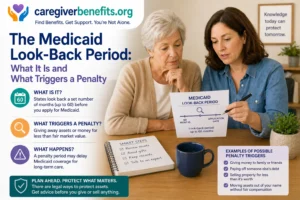
If your parent applies for long-term care Medicaid, Medicaid may review transfers made during the look-back period. Gifts, undocumented payments, and transfers for less than fair value can cause delay or denial.
Read Medicaid Look-Back Period before moving money. If your parent has income over the Medicaid limit or unpaid medical bills, also read Medicaid Spend-Down.
Estate recovery may apply
Medicaid estate recovery is a separate issue. Federal Medicaid rules require states to recover certain Medicaid costs after death for some people age 55 or older, including nursing facility services and home and community-based services. Ohio also warns that Medicaid services for people age 55 or older may be subject to recovery.
Ask the county Department of Job and Family Services or an elder law attorney how estate recovery may affect the family home or estate.
Important Ohio warning
Ohio program names and rules can change. Counties, waiver contractors, managed care plans, case managers, and provider agencies may use different terms. Always confirm with the Ohio Department of Medicaid, the Ohio Department of Aging, the Area Agency on Aging, the MyCare plan, the county Department of Job and Family Services, or the official written notice.
Resumen en espanol
En Ohio, un hijo adulto a veces puede recibir pago por cuidar a su padre o madre. Normalmente tiene que ser por un programa aprobado, como Medicaid, PASSPORT, MyCare, Ohio Home Care Waiver, Structured Family Caregiving, VA, o un contrato privado por escrito.
Empiece llamando a la Area Agency on Aging si su padre o madre tiene 60 anos o mas. Pida una evaluacion de cuidados en el hogar y pregunte si un hijo adulto puede ser cuidador pagado.
FAQ
Can Ohio Medicaid pay me directly to care for my parent?
Usually, no. Medicaid payment has to run through an approved program, care plan, provider enrollment, agency, or financial management service. Ask about self-direction or participant direction.
Is an adult child allowed to be paid under Ohio waiver rules?
Sometimes. Adult children and other relatives may be able to provide certain services when the waiver allows it and the care plan approves it. Legal roles can affect the answer, so ask before signing up.
What if I live with my parent?
Ask about Structured Family Caregiving. It may apply when the person is in PASSPORT, MyCare Ohio, or the Ohio Home Care Waiver and lives with a caregiver who provides daily support. The service must be approved and usually works through an agency provider.
Does Ohio have paid family leave for adult child caregivers?
Ohio does not have a broad paid family leave program like some states. Some workers may have employer leave, sick time, union benefits, or unpaid federal FMLA leave. Leave from work is not the same as being paid as a Medicaid caregiver.
Can VA benefits help pay an adult child caregiver?
Maybe. VA Aid and Attendance can increase a qualified veteran's or survivor's monthly pension. The VA family caregiver program may help some caregivers of eligible veterans. VA rules are separate from Ohio Medicaid rules.
What should I do before my parent pays me privately?
Put the agreement in writing before payment starts. Track hours and tasks. Use bank records. Talk with a tax professional and an Ohio elder law attorney if Medicaid may be needed later.
Related CaregiverBenefits.org guides
Official sources used
- Ohio Department of Medicaid: Self-Direction Services and Information
- Ohio Department of Medicaid: Self-Direction Resources for Caregivers
- Ohio Department of Medicaid: Ohio Home Care Waiver
- Ohio Department of Medicaid: MyCare Ohio
- Ohio Department of Aging: PASSPORT
- Ohio Department of Aging: PASSPORT Participant Direction
- Ohio Department of Aging: Find Your Local Area Agency on Aging
- Ohio Administrative Code Rule 5160-44-32: Provider and Direct Care Worker Relationships
- Ohio Administrative Code Rule 5160-44-33: Structured Family Caregiving
- Ohio Administrative Code Rule 5160-45-03.2: Self-Directed Services
- Ohio Benefits
- Ohio Department of Medicaid: How to Apply or Renew for Medicaid
- Ohio Department of Job and Family Services: State Hearing SHARE Portal
- Medicaid.gov: Estate Recovery
- IRS Publication 926: Household Employer's Tax Guide
- VA.gov: Aid and Attendance and Housebound Benefits
- VA Caregiver Support Program: PCAFC
- U.S. Department of Labor: Family and Medical Leave Act
Disclaimer
This is general information, not legal, tax, medical, or financial advice. For legal or tax questions, talk with a qualified professional in your state.